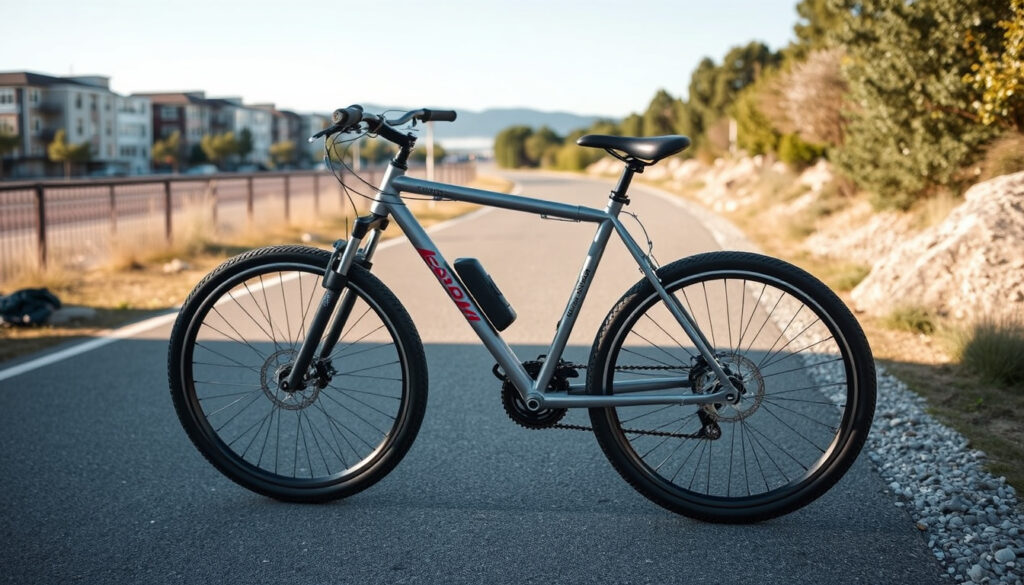
What Is a Hybrid Bike – Features, Uses and Comparisons
A hybrid bike represents a deliberate fusion of two distinct cycling traditions. By combining the lightweight efficiency of road bikes with the durability and upright comfort of mountain bikes, these versatile machines occupy a unique position in the cycling world. For riders seeking a single bicycle capable of handling commuting, light trails, and recreational paths without the extremes of either discipline, hybrid bikes offer a practical middle ground that has grown increasingly popular in recent years.
The appeal of hybrid bikes lies in their versatility. Unlike specialized bicycles optimized for a single purpose, these machines prioritize adaptability over peak performance in any one area. This balance makes them particularly attractive to recreational riders, commuters, and those returning to cycling after an extended break from the sport.
What Is a Hybrid Bike Used For?
Hybrid bikes serve a remarkably wide range of cycling needs, making them one of the most versatile categories available today. Their design philosophy centers on providing competent performance across multiple terrain types without requiring the compromises associated with highly specialized machines.
- Urban commuting across varied surfaces including bike lanes and light gravel paths
- Fitness riding that combines road cycling with light off-road sections
- Casual recreational cycling along rail trails, canal paths, and park routes
- Weekend exploration of gravel roads, fire tracks, and gentle trail systems
- Riders transitioning back to cycling after years away from the sport
- General-purpose transport for errands in neighborhoods with mixed road conditions
- Introductions to cycling for beginners who want room to explore different riding styles
| Feature | Hybrid Bike | Road Bike | Mountain Bike |
|---|---|---|---|
| Handlebars | Flat bars | Drop bars | Flat bars |
| Tire Width | 35-60mm | 23-28mm | 50-76mm |
| Primary Use | Mixed terrain, commuting | Speed on pavement | Off-road trails |
| Riding Position | Upright, relaxed | Aggressive, forward | Upright to neutral |
| Suspension | Optional/front only | None | Front and/or rear |
| Weight | Moderate | Light | Heavy |
Those primarily seeking serious off-road experiences should consider dedicated gravel or mountain bikes instead, as hybrids necessarily balance their versatility by excelling in neither extreme terrain category.
Hybrid Bike vs Road Bike
The fundamental difference between hybrid and road bikes lies in their design priorities. Road bikes are engineered for maximum speed and efficiency on smooth pavement, featuring lightweight frames, thin high-pressure tires, and aggressive aerodynamic positions that favor experienced riders. Hybrids sacrifice some of this efficiency in exchange for greater comfort and adaptability.
Road bikes typically come equipped with drop handlebars that allow multiple hand positions during long rides. Hybrid bikes, by contrast, use flat handlebars similar to mountain bikes, which provide a more upright riding position and greater stability for casual riders. This upright posture reduces strain on the lower back and shoulders, making hybrids more comfortable for everyday riding and commuting.
Tire selection illustrates another meaningful distinction. Road bikes generally use tires between 23mm and 28mm wide, optimized for low rolling resistance on smooth surfaces. Hybrid tires typically range from 35mm to 60mm wide, providing more cushion, better grip on varied surfaces, and improved puncture resistance at the cost of somewhat higher resistance on clean pavement.
Hybrid bikes prioritize comfort and versatility over pure speed, making them better suited for riders who encounter mixed terrain or prefer a more relaxed cycling position. Road bikes remain the choice for riders focused exclusively on pace and distance on paved surfaces.
Hybrid Bike vs Mountain Bike
Mountain bikes represent the opposite end of the specialization spectrum from road bikes, built specifically for rugged off-road terrain. They feature robust frames designed to withstand harsh impacts, suspension systems that absorb bumps and obstacles, and wide knobby tires that provide traction on loose surfaces like dirt, mud, and rocks.
Hybrid bikes borrow the upright comfort and flat handlebars from mountain bikes but reduce their off-road capability in favor of improved road performance. Where a mountain bike excels on singletrack trails and rocky terrain, a hybrid handles gravel roads, canal paths, and light fire tracks comfortably while remaining efficient on paved surfaces.
The suspension systems found on mountain bikes add significant weight and complexity. Many hybrid bikes either omit suspension entirely or feature lightweight front forks designed primarily for comfort rather than aggressive trail riding. This reduction in suspension travel makes hybrids lighter and more efficient for road-based activities while remaining capable on gentler unpaved routes.
For urban and suburban riders who encounter occasional unpaved paths but spend most of their time on roads, hybrids offer a practical compromise that outperforms mountain bikes in their primary environment while providing enough versatility for light trail exploration.
What Is a Hybrid Bike Tire Like?
Tire selection represents one of the most important considerations for hybrid bike buyers, as tires fundamentally determine how a bicycle performs across different surfaces. Hybrid tires bridge the gap between the narrow smooth treads of road bikes and the aggressive lug patterns of mountain bike tires.
Most experts recommend tires at least 35mm wide for hybrid bikes, as this width provides a good balance of comfort, grip, and efficiency. These moderately wide tires absorb road vibrations and minor bumps more effectively than narrower options, reducing rider fatigue on longer rides. Some hybrid models accommodate tires up to 60mm wide, though these wider tires may increase rolling resistance on smooth pavement.
Tread pattern varies based on intended use. Slick or semi-slick tires work best for riders who primarily stick to pavement, offering lower resistance and quieter operation on roads and bike paths. Those planning significant gravel or dirt riding should consider tires with moderate tread patterns that provide additional traction without excessive noise or drag on paved surfaces.
Choosing the Right Tire Width
Frame clearance limits maximum tire width on any given bike, so checking compatibility before purchasing wider tires is essential. Many modern hybrid frames accommodate tires between 38mm and 45mm comfortably, while some models designed for mixed-terrain use can clear tires approaching 50mm.
Tire pressure also affects hybrid bike performance. Wider tires can run at lower pressures, typically between 60 and 80 psi, which improves grip and comfort on rough surfaces. Narrower hybrid tires may require higher inflation, around 80 to 100 psi, for optimal performance on smooth roads.
Hybrid Bike vs Gravel Bike
Gravel bikes represent another category that overlaps with hybrids, sharing the mixed-terrain versatility ethos while differing in significant design details. Gravel bikes closely resemble road bikes in their use of drop handlebars and aggressive geometry, but with modifications that allow them to handle unpaved surfaces more capably.
The most obvious difference involves handlebar design. Gravel bikes feature drop bars identical to road bikes, allowing multiple hand positions that prove valuable during long rides. Hybrid bikes use flat handlebars, which provide greater control and easier hand positioning for less experienced riders but sacrifice the aerodynamic efficiency possible with drops.
Gravel bikes typically accept wider tires than standard road bikes, often between 35mm and 50mm, and feature lower gearing optimized for climbing unpaved grades. They lack the full suspension systems of mountain bikes but may include features like compliant seatstays or vibration-damping materials to smooth rough surfaces.
Riders uncomfortable with drop handlebars or those seeking maximum comfort for casual riding will find hybrid bikes more approachable. Those prioritizing speed and distance across mixed terrain may prefer gravel bikes despite their more demanding handling characteristics.
Evolution of Hybrid Bikes
The hybrid bike category emerged gradually during the 1980s as bicycle manufacturers began experimenting with configurations that combined features from different cycling disciplines. Early versions often resulted from blending touring bike durability with road bike efficiency, creating machines suited to varied conditions beyond what either category offered alone.
- 1980s: Touring and commuter bicycles begin incorporating mountain bike-inspired flat handlebars and wider tires while retaining road bike frames and gearing
- Early 1990s: Manufacturers formally recognize the hybrid category, with models explicitly marketed as combining road and mountain bike characteristics
- Late 1990s: Suspension technology migrates from mountain bikes to some hybrid models, improving comfort without full off-road capability
- 2000s: Aluminum and later carbon fiber frames reduce weight while maintaining durability, expanding appeal for fitness and commuter applications
- 2010s: Urban cycling renaissance driven by bike-sharing programs and environmental awareness increases demand for practical hybrid-style bicycles
- 2020s: Pandemic-era cycling boom accelerates development, with manufacturers refining women-specific geometry and comfort features based on detailed rider feedback
Modern hybrids benefit from decades of incremental refinement, with contemporary models offering thoughtful combinations of efficiency, comfort, and practicality that would have seemed impossible in the category’s early years.
What We Know and What Remains Unclear
Understanding which aspects of hybrid bikes are well-established versus those that remain debated helps prospective buyers form realistic expectations.
| Established Information | Remaining Unclear |
|---|---|
| Hybrids combine road and mountain bike features | Optimal tire width for specific use cases |
| Flat handlebars provide upright riding position | Best frame materials for different rider weights |
| Tire widths typically range from 35mm to 60mm | Long-term durability comparisons between models |
| Best suited for commuting, fitness, and casual recreation | Ideal gearing ratios for varying terrain types |
| Women-specific models offer adapted contact points | Standard pricing thresholds for quality components |
| Cannot match dedicated bikes in specialized conditions | Precise performance differences between brands |
Why Hybrid Bikes Matter Today
The cycling landscape has shifted significantly in recent years, with many riders rejecting the notion that they must commit to a single discipline. Urban environments increasingly feature mixed infrastructure, from smooth bike lanes to gravel paths through parks, creating conditions where truly versatile bicycles prove valuable.
Commuting patterns have evolved similarly, with many cyclists no longer traveling exclusively between residential areas and business districts. Modern commutes might include rail trails, canal towpaths, or gravel routes that connect neighborhoods to transit hubs. Hybrid bikes accommodate this variety without requiring riders to own multiple specialized bicycles.
The rise of cycling for transportation and recreation, particularly following urban cycling booms in cities worldwide, has expanded the market for practical, approachable bicycles. Hybrid bikes serve riders who want capability across diverse surfaces without the learning curve associated with more specialized equipment. Cyclists exploring this growing category can find comprehensive buying guides and reviews to help select the right model for their needs.
Expert Perspectives on Hybrid Bicycles
The key distinction is balance: hybrid bikes are generalists designed for upright urban riding and mixed-terrain exploration, while specialized bikes excel in their specific domains.
— CyclingNews, Best Women’s Hybrid Bikes
Industry reviewers consistently emphasize that hybrid bikes represent a deliberate choice to prioritize versatility over peak performance. This philosophy appeals strongly to riders who value practical transportation, comfort-focused recreation, and the freedom to explore diverse terrain without equipment limitations.
Major cycling publications including Cycling Weekly and CyclingNews have noted the growing sophistication of hybrid bike offerings, with manufacturers increasingly treating comfort and versatility as engineering priorities worthy of serious investment.
Summary
Hybrid bikes occupy a distinctive niche in the cycling world, combining road bike efficiency with mountain bike comfort to create machines capable across diverse terrain and uses. Their flat handlebars, upright riding position, and versatile tire options make them accessible to riders of varying experience levels while remaining practical for daily commuting, fitness riding, and recreational exploration. For those seeking a single bicycle that handles roads and light trails without the extremes of dedicated road or mountain bikes, hybrid bikes represent a proven and increasingly refined solution. Those interested in broader cycling coverage may want to check the Tour de France Today – No Stage Underway, Stage 15 Preview for additional sports cycling content.
Frequently Asked Questions
Can women use any hybrid bike, or are women-specific models necessary?
Women can ride any properly sized hybrid bike. However, women-specific models like the Boardman HYB 8.8 feature adapted contact points including narrower handlebars, ergonomic grips, and saddles designed for smaller body proportions, which some riders find more comfortable.
What are the top hybrid bikes currently available?
Top-rated options include the Boardman HYB 8.8 for overall quality, the Specialized Sirrus X 5.0 for gravel riding, the Specialized Sirrus X 2.0 for responsive handling, and the Pendleton Somerby as a budget-conscious choice with surprisingly solid components.
Are hybrid bikes good for long-distance touring?
Hybrid bikes can handle moderate touring duties, particularly on mixed terrain routes. For extended tours focused primarily on pavement, traditional touring bikes with more relaxed geometry and attachment points for heavy loads may prove more suitable.
How much should I expect to pay for a quality hybrid bike?
Quality hybrid bikes typically range from around $500 for entry-level models with solid components to $1,500 or more for premium options featuring carbon fiber frames, hydraulic disc brakes, and advanced comfort systems.
Can hybrid bikes handle mountain bike trails?
Hybrid bikes can handle gentle fire roads, gravel paths, and easy rail trails, but they lack the suspension, frame strength, and tire traction needed for technical mountain bike singletrack. Serious trail riding requires a dedicated mountain bike.
Do hybrid bikes require much maintenance?
Hybrid bikes follow standard bicycle maintenance schedules, with regular cleaning, lubrication, and component checks. Those with front suspension or hydraulic brakes may require slightly more attention than simpler models, but overall maintenance remains straightforward for most riders.
More related posts
 Tamsin Egerton Biography: Relationship, Children & Career
 Alan Brazil: What Happened to the talkSPORT Host
 Nomination Charms: Buying, Authenticity, and Value
 Steal a Brainrot Game – Roblox Guide Wiki and Play Tips
 Kim Taehyung Dating History: Facts vs Rumors
 Max McNown: Biography, Age, Songs, Wife and Net Worth
 Morten Harket’s Parkinson’s Diagnosis Explained
 Stanley Baxter dies: Scottish comedian aged 99