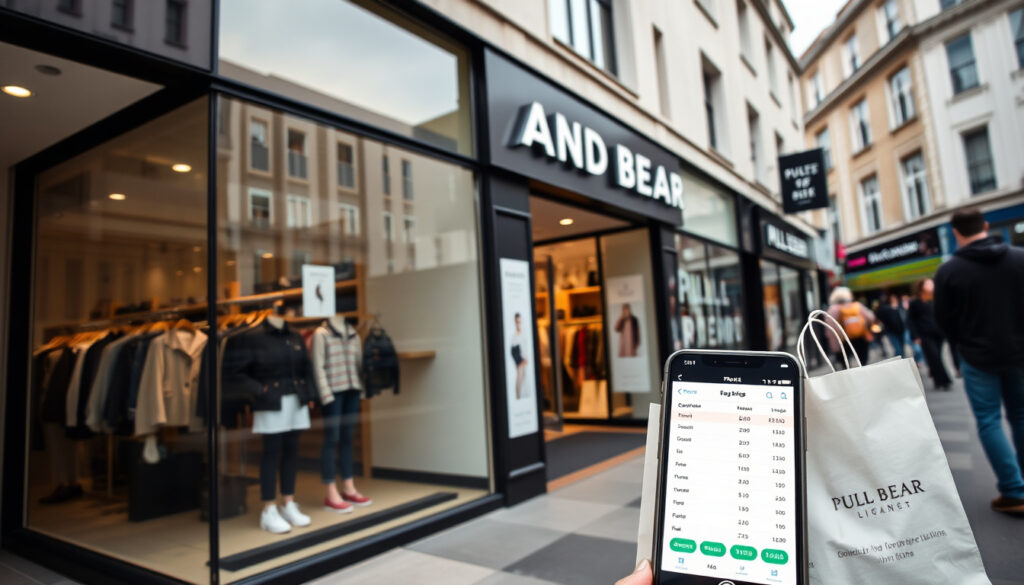
Pull and Bear UK: Stores, Prices & Comparisons (2025 Guide)
If you’ve browsed the aisles at your local shopping centre and wondered which Inditex brand to pick, you’ve likely spotted Pull&Bear’s casual T-shirts and sneakers next to Zara’s polished blouses. This Spanish brand has quietly built a UK presence, and we’ve dug into the data to answer whether it’s British, where to find it, and how it compares to its siblings.
Founded: 1991 ·
Parent company: Inditex ·
Global stores: 900+ (as of 2023) ·
UK presence: Multiple stores and online ·
Price range: £5 – £50
Quick snapshot
- Physical stores in major cities (Pull&Bear store locator)
- Online store ships to UK (Pull&Bear UK site)
- Available via ASOS (ASOS Pull&Bear range)
- Affordable fast fashion (Lectra Retviews Inditex Report)
- Similar to Zara but slightly lower (Lectra Retviews Inditex Report)
A quick look at the key numbers for Pull&Bear UK:
| Attribute | Details |
|---|---|
| Founded | 1991 |
| Parent company | Inditex |
| Headquarters | Narón, Spain |
| Number of stores (global) | 900+ (as of 2023) |
| UK stores | Present in London, Manchester, Birmingham, Glasgow and others |
| Price range (UK) | £5 – £50 |
| Target audience | Young adults (15–25) |
Is Pull and Bear a British brand?
Where was Pull and Bear founded?
Pull&Bear is not British. It was founded in 1991 in Narón, Galicia, Spain as part of the Inditex group (Inditex corporate site). The same group owns Zara, Massimo Dutti, Bershka, Stradivarius, and Oysho. Despite its Spanish roots, the brand has become a familiar sight in UK shopping centres.
Who owns Pull and Bear?
Pull&Bear is a wholly owned subsidiary of Inditex, the Spanish multinational fashion conglomerate founded by Amancio Ortega. The brand operates with its own design and merchandising team but shares logistics, supply chain, and corporate resources with its sister brands.
The upshotPull&Bear is 100% Spanish by origin and ownership, not British. UK shoppers get the same product range designed for a global youth audience.
The implication: Despite its Spanish roots, Pull&Bear’s UK presence is well-established.
Does Pull and Bear have stores in the UK?
Which UK cities have Pull and Bear stores?
Yes, Pull&Bear has physical stores in several UK cities. Confirmed locations include:
- London – multiple stores (e.g., Westfield London, Westfield Stratford, Oxford Street)
- Manchester – Trafford Centre, Arndale Centre
- Birmingham – Bullring
- Glasgow – Buchanan Street
- Leeds – Trinity Leeds
- Liverpool – Liverpool One
Store count changes as Inditex adjusts its physical footprint, but the brand remains present in all major UK retail destinations (Pull&Bear store locator).
Can I shop Pull and Bear online from the UK?
Absolutely. The official Pull&Bear website ships to UK addresses, and the brand also sells through third-party platforms like ASOS (ASOS Pull&Bear range). Online shopping offers the full collection, often with exclusive discounts and sale sections.
What this means: UK customers have multiple access points – physical stores for trying items, and online for convenience and wider selection.
Is Pull and Bear an expensive brand?
How does Pull and Bear’s pricing compare to Zara?
Pull&Bear sits at the lower end of the Inditex price ladder. A pricing analysis by Lectra Retviews (2022) reported Pull&Bear’s average item price at about €22.90, compared to Zara’s €39.10 (Lectra Retviews Inditex Report). Another analysis from an Inditex pricing report on Scribd suggested Pull&Bear’s average around €20.6, with Bershka at €21.3 and Zara at €37. While the precise figures vary, the pattern is clear: Pull&Bear is consistently the cheapest among the three.
What is the typical price range for Pull and Bear items?
In the UK, most clothing items fall between £10 and £40, with coats and jackets reaching up to £50. Accessories like scarves, bags, and belts can be under £10. The brand frequently runs sales with up to 50% off, particularly during seasonal clearance.
The catch: To hit those low prices, Pull&Bear uses fast-fashion production methods, meaning fabrics and construction are entry-level – fine for trend-driven pieces, not heirloom garments.
Which is better, Pull and Bear or Zara?
What are the key differences in style between Pull and Bear and Zara?
Pull&Bear targets a younger audience (teens to mid-20s) with a casual, outdoorsy, and streetwear aesthetic. Think oversized hoodies, graphic T-shirts, cargo trousers, and sneakers. Zara aims at a broader adult demographic with trend-led but more versatile styles – dresses, blouses, tailored blazers, and premium basics (Zara versus Pull&Bear).
Is Pull and Bear cheaper than Zara?
Yes, consistently. According to the Lectra Retviews analysis, Pull&Bear’s prices are roughly 40% lower than Zara’s on average. A specific comparison: Pull&Bear’s maximum sneaker price was €49.99 versus €69.99 for Zara.
Which brand has better quality?
Quality is comparable, though Zara may use slightly better materials in some lines – especially outerwear and tailoring. Both brands operate within fast-fashion norms: affordable, trend-driven, and not designed for extended wear. The FashionNetwork summary of Retviews data noted that Pull&Bear and Bershka release more T-shirts than any other category, beating Zara by up to 30% (FashionNetwork). That product mix – heavy on basics – partly explains the lower price and perceived quality.
The trade-off: Buy Pull&Bear for easy, affordable seasonal trends. Buy Zara if you want a piece that bridges seasons or has a slightly more refined finish.
Here is a side-by-side comparison of the three Inditex brands:
| Feature | Pull&Bear | Zara | Bershka |
|---|---|---|---|
| Target age | 15–25 | 20–40 | 15–30 |
| Style direction | Casual, streetwear, outdoorsy | Trend-led, versatile, lifestyle | Edgy, trend-focused, night out |
| Average price (€) | €22.90 (Lectra) | €39.10 (Lectra) | ~€21.3 (Scribd report) |
| Main product categories | T-shirts, hoodies, sneakers, accessories | Dresses, shirts, blouses, outerwear | Party wear, denim, footwear |
| Sneaker max price | €49.99 | €69.99 | Not specified, but 20% more sneaker offer than Zara |
| Physical UK stores | 6+ cities | 20+ cities | 5+ cities |
The pattern: Pull&Bear wins on affordability and casual wear; Zara on versatility and formal options.
Pros of Pull&Bear
- Lower price point than Zara and most Inditex siblings
- Casual, streetwear aesthetic popular with young adults
- Good UK online and physical presence
Cons of Pull&Bear
- Fast-fashion quality; not built for long wear
- Limited formal and office-ready options
- Smaller UK store network than Zara
Are Pull&Bear and Bershka the same?
What is the difference between Pull and Bear and Bershka?
Both are owned by Inditex and target young shoppers, but they are not the same. Bershka leans toward a more edgy, nightlife-oriented aesthetic – bodycon dresses, faux leather, bold prints, and accessories that scream “going out.” Pull&Bear is more relaxed and outdoorsy – think cosy knits, camping-inspired graphics, and sneakers (Bershka). A Lectra Retviews report noted that both brands have a large sneaker offer compared with Stradivarius and Zara, but Bershka’s sneaker offer was 20% higher than Zara’s. This shows they share some product DNA but differentiate on styling.
Which brand is more popular in the UK?
Zara is by far the most popular Inditex brand in the UK, with the largest store network and highest brand recognition. Between Pull&Bear and Bershka, interest varies by city and fashion tribe. Bershka tends to attract a slightly older teen crowd (16–25) looking for bold party looks, while Pull&Bear appeals to those who prefer a low-key, comfortable style. Neither dominates the UK; both have loyal niches.
Why this matters: If you’re a UK shopper deciding between them, think about your wardrobe needs first. Pull&Bear for everyday basics and weekend wear; Bershka for nights out and statement pieces; Zara for office-ready and polished casuals.
Choosing Pull&Bear over Zara saves money but narrows the style range. Choosing Pull&Bear over Bershka trades edge for comfort. Knowing the product mix helps you avoid buying a hoodie when you actually need a dress.
Confirmed facts and what’s unclear
Confirmed facts
- Pull&Bear is a Spanish brand founded in 1991 by Inditex (Inditex).
- It operates in over 70 countries including the UK.
- The brand’s pricing is lower than Zara’s (Lectra Retviews analysis).
- Pull&Bear and Bershka are separate brands under Inditex with distinct design teams (Bershka).
- Pull&Bear’s UK price range is £5–£50.
What’s unclear
- Exact number of UK stores (Inditex does not publicly list store counts per brand).
- Specific sales figures for the UK market.
- Future expansion plans in the UK.
What this means: The available data gives a solid picture, but exact UK metrics remain opaque.
What UK shoppers say
Pull&Bear is part of the Inditex group, which also includes Zara, Massimo Dutti, and Bershka. This family tree makes it easy to cross-shop and compare.
— Inditex official website
Great value for money, fast delivery to UK. I’ve ordered several times and the quality is what you expect for the price – perfectly fine for casual wear.
— Trustpilot customer review (anonymous)
Casual and sustainable fashion for a young, urban audience – that’s our mission. We aim to make affordable style that’s light on the planet and easy on the wallet.
— Pull&Bear brand mission statement
These voices reflect the brand’s positioning: young, casual, and affordable – but not without trade-offs in material longevity.
Bottom line for UK shoppers
Pull&Bear is a solid go-to for affordable, youth-oriented fast fashion in the UK. Its stores and online shop are easy to access, prices are consistently lower than Zara, and the style is perfect for students and young professionals wanting comfortable, trend-aware basics. For UK buyers, the choice between Pull&Bear and its Inditex siblings comes down to style: if you want hoodies and sneakers, go Pull&Bear; if you need a blazer for a job interview, Zara wins. Bershka fills the niche for weekend party looks. The gap in UK market knowledge – exact store counts, local sales data – doesn’t affect the shopping experience: just browse, try, and decide based on what’s in your wardrobe rather than marketing promises.
For UK shoppers looking to save, student discount codes for Pull and Bear UK can make a big difference when comparing prices across brands like Zara and Bershka.
Frequently asked questions
Does Pull and Bear offer free delivery in the UK?
Pull&Bear offers standard delivery to the UK for a fee, usually around £3–£5 depending on order value. Free delivery thresholds may apply during promotional periods. Check the official website for current terms.
What is the return policy for Pull and Bear UK?
You can return items within 30 days of delivery, unused and with tags. Refunds go back to the original payment method. Returns are free from UK addresses if you use the provided label.
Are Pull and Bear sizes true to size?
Generally yes, but some customers report that T-shirts run slightly oversized and jeans run true to size. Check the size guide on each product page and consider reading customer reviews for specific items.
Can I buy Pull and Bear in UK stores other than official?
Yes, ASOS stocks a curated selection of Pull&Bear pieces. Some independent retailers may also carry the brand, but the official website and Inditex-owned stores offer the widest assortment.
Does Pull and Bear have a student discount in the UK?
Pull&Bear occasionally partners with student discount platforms like UNiDAYS for 10–15% off. The offer changes by term, so check the UNiDAYS app before placing an order.
How do I track my Pull and Bear order?
After placing an order, you’ll receive a confirmation email with a tracking number. Use the “Track my order” feature on the Pull&Bear website or the carrier’s tracking page (usually DPD or Royal Mail).
Is Pull and Bear a sustainable brand?
Inditex has sustainability commitments, including using more sustainable fibres and reducing water consumption. Pull&Bear participates in these group-level initiatives, but as a fast-fashion brand, it still produces large volumes of new clothing each season. For more details, see the Inditex sustainability report.
More related posts
 Frodo Baggins: Biography, Quest, and Key Questions
 One Piece Characters: Straw Hats, Luffy’s Family & More
 Jeremy Renner: Accident, Recovery, and Controversy
 Aaron Taylor-Johnson Wife – Age Gap, Kids, Marriage Timeline
 Birmingham Clean Air Zone – Charges, Rules and Exemptions Guide
 Madeleine McGraw: Age, Movies, Sister, and Facts (2025)
 Pete Burns Cause of Death, Gender Identity, Funeral
 Sammy Virji: Real Name, Age, Ethnicity & Booking Info