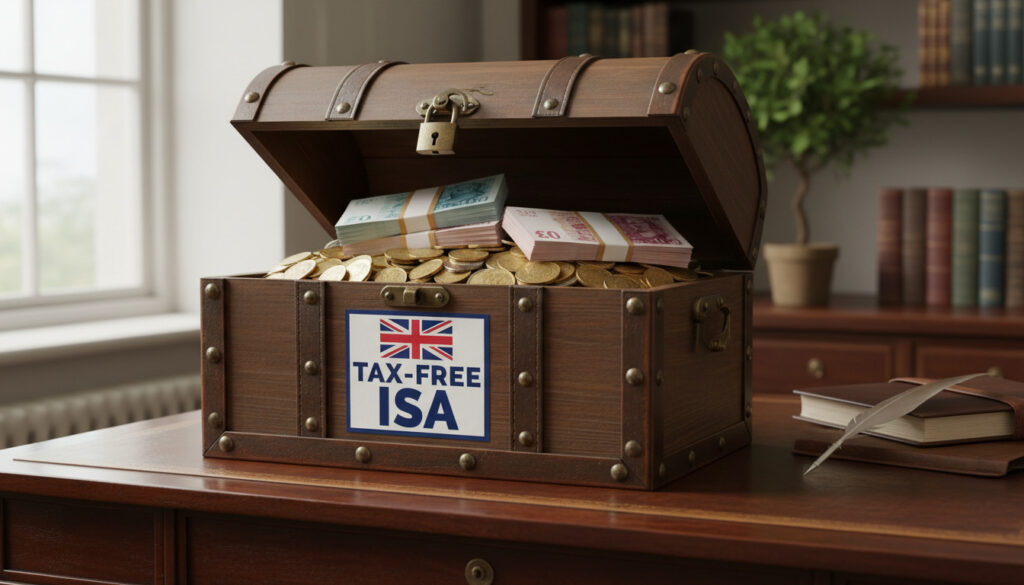
What Is an ISA – Complete UK Guide to Tax-Free Savings
An Individual Savings Account (ISA) serves as a tax-efficient wrapper for UK savers and investors, shielding interest, dividends, and capital gains from taxation. Introduced by the government to encourage saving, these accounts allow individuals to build wealth without declaring returns on self-assessment tax forms.
Available exclusively to UK residents aged 18 and over for adult accounts, ISAs operate under strict annual contribution limits set by HMRC. The current tax year permits subscriptions up to £20,000 across various account types, with allowances resetting each April.
Unlike standard savings accounts where interest might incur income tax, ISAs offer complete exemption, making them particularly valuable for higher-rate taxpayers or those approaching personal savings limits.
What Is an ISA?
Subscribers can deposit the full annual allowance without paying tax on returns.
Options range from simple savings to investment accounts and property deposits.
Eligibility requires residency status and adult age for most variants.
Providers report subscriptions directly to tax authorities.
- ISAs shield interest, dividends, and capital gains from income and capital gains tax
- Annual allowance resets each tax year on 6 April
- Most ISAs impose no withdrawal penalties, though fixed-term Cash ISAs may charge for early access
- FSCS protection covers up to £85,000 per person per institution for Cash ISAs
- Lifetime ISAs carry a 25% government bonus on contributions up to £4,000 annually
- Unused allowance does not carry forward to subsequent tax years
| Fact | Details |
|---|---|
| Full Name | Individual Savings Account |
| Annual Limit 2025/26 | £20,000 |
| Eligibility | UK residents aged 18+ (adult ISAs) |
| Tax Status | Tax-free on interest, income, and gains |
| LISA Annual Cap | £4,000 (counts toward £20,000 total) |
| Junior ISA Limit | £9,000 per child |
| Tax Year Dates | 6 April to 5 April |
| FSCS Protection | Up to £85,000 for Cash ISAs |
What Are the Different Types of ISAs?
Four main types exist for adults, alongside a fifth option for children. Each serves distinct financial objectives and risk appetites.
What Is a Cash ISA?
Cash ISAs function like standard bank or building society savings accounts, offering tax-free interest on deposits. Variants include easy access accounts, fixed-rate bonds with higher returns but penalties for early withdrawal, variable rate options, and regular saver plans. These suit investors prioritizing capital preservation over growth potential.
What Is a Stocks and Shares ISA?
These accounts hold investments in shares, corporate bonds, government bonds, and unit trusts rather than cash. While offering potential for higher returns, they carry market volatility risk. Dividends and capital gains remain tax-free, though the underlying investments can lose value.
What Is a Lifetime ISA?
Lifetime ISAs (LISAs) support two specific goals: purchasing a first home valued up to £450,000 or funding retirement from age 60. The government contributes a 25% bonus on savings up to £4,000 annually, meaning savers can receive up to £1,000 yearly in top-ups.
The 25% government bonus on Lifetime ISA contributions is paid monthly, not annually. Savers must be aged 18-39 to open an account, and withdrawals for non-qualifying purposes incur a 25% penalty that recovers the bonus plus additional funds.
Innovative Finance and Junior Variants
Innovative Finance ISAs accommodate peer-to-peer lending and crowdfunding debentures, carrying higher illiquidity and default risks. Junior ISAs, available for children under 18 with a £9,000 annual limit, lock funds until adulthood.
What Is the ISA Allowance and Key Rules?
Understanding the £20,000 Annual Limit
The overall ISA allowance stands at £20,000 for the 2025/26 tax year, frozen at this level without increase. This cap applies across all adult ISA types combined, meaning an individual might split £11,000 between Cash and Stocks ISAs while allocating £4,000 to a Lifetime ISA.
The tax year runs from 6 April to 5 April. Contributions received on 6 April or later count toward the new year’s allowance. Unused portions from previous years cannot be carried forward or backdated.
Can You Hold Multiple ISAs?
Savers may hold several ISAs simultaneously, but can only contribute to one of each type per tax year. For example, opening two Stocks and Shares ISAs in the same year breaches regulations. However, existing accounts from previous years remain valid and can sit alongside new subscriptions.
Transfer Rules and Restrictions
Transfers between providers preserve tax-free status without consuming the annual allowance. Full or partial transfers are permitted, though Lifetime ISAs can only transfer to other Lifetime ISAs. Non-ISA assets, such as existing shareholdings outside the wrapper, cannot transfer in except from specific employee share schemes.
While most ISAs allow penalty-free access, Lifetime ISAs charge 25% on withdrawals used for purposes other than a first home purchase or after age 60. This penalty effectively removes the government bonus and reduces the principal saved.
How Do I Open or Manage an ISA?
Opening Your First ISA
Prospective savers must choose a provider—whether a bank, building society, or investment platform—and provide identification, proof of address, and a National Insurance number. Applications complete online or in branch, with subscribers declaring whether funds represent new money or transfers from existing accounts.
Timing matters when opening near tax year boundaries. Contributions made in late March or early April require careful tracking to ensure they apply to the intended tax year, particularly around Bank Holidays 2024 UK when processing delays might push transactions into the new period.
Transferring Between Providers
To transfer, savers should contact their new provider and complete a transfer form rather than withdrawing cash manually, which would lose tax protection. The process typically takes 15-30 days for Cash ISAs and longer for Stocks and Shares ISAs involving investment liquidation.
How Have ISA Rules Evolved Over Time?
- 1999: ISAs launched by the UK government, replacing Personal Equity Plans (PEPs) and Tax-Exempt Special Savings Accounts (TESSAs).
- 2017: The Lifetime ISA introduced to help under-40s save for property or retirement.
- 2024/25: Annual allowance frozen at £20,000, maintaining the limit established in previous years.
- 2025/26: Current tax year operates under unchanged allowance terms, with no increase announced.
What Is Definite and What Remains Uncertain?
Established Information
- Tax-free status confirmed by HMRC legislation
- £20,000 allowance fixed through 2025/26
- FSCS protection applies to authorised providers
- LISA bonus rates set at 25%
Uncertainties
- Future allowance adjustments beyond 2026 remain unannounced
- Interest rate movements on Cash ISAs vary by market conditions
- Potential regulatory changes following government reviews
What Is the Historical Context Behind ISAs?
ISAs emerged as the successor to PEPs and TESSAs, simplifying tax-free savings under a single framework. Unlike How Much is a 2nd Class Stamp, which reflects inflationary adjustments to postal services, ISA allowances have remained static in recent years despite rising living costs.
The wrapper competes with pensions for retirement savings, offering flexibility on withdrawals that pension products typically restrict until age 55 or 57. However, ISAs lack the upfront tax relief that pension contributions receive, creating distinct strategic considerations for long-term planning.
What Do Official Sources Say About ISA Regulations?
An Individual Savings Account (ISA) is a tax-efficient UK savings or investment account where interest, dividends, and capital gains are exempt from tax.
The government adds a 25% bonus to your savings, up to £1,000 per year, in a Lifetime ISA. You can use it to buy your first home or for later in life.
What Are the Essential Facts About ISAs?
Individual Savings Accounts offer UK residents a straightforward method to shelter up to £20,000 annually from taxation across cash and investment holdings. With five distinct types catering to different ages and objectives, from first-home deposits to child savings, ISAs remain a cornerstone of personal finance strategy despite static allowance levels and economic uncertainty.
Frequently Asked Questions
Can I withdraw money from an ISA at any time?
Most ISAs allow immediate withdrawals without penalty, though fixed-term Cash ISAs may charge for early access. Lifetime ISAs impose a 25% charge on withdrawals used for purposes other than a first home purchase or before age 60.
What happens if I exceed the annual ISA allowance?
HMRC requires providers to report excess contributions. Investors must typically withdraw the overage and pay tax on any income or gains generated by the excess amount, as it loses ISA protection.
Is a Junior ISA different from an adult ISA?
Parents or guardians open Junior ISAs for children under 18 with a separate £9,000 annual limit. Funds remain locked until the child’s 18th birthday, at which point the account converts to an adult ISA.
How are ISA investments protected?
The Financial Services Compensation Scheme protects up to £85,000 per person per institution for Cash ISAs if the provider fails. Stocks and Shares ISAs protect against firm insolvency but not against investment losses.
Can I transfer my existing ISA to a different provider?
Yes, transfers preserve tax-free status without consuming your current year’s allowance. Contact your chosen new provider to arrange the transfer; do not withdraw the cash yourself.
Do I need to declare ISA income on my tax return?
No. Interest, dividends, and capital gains from ISAs do not need reporting on self-assessment tax forms, as the income is automatically tax-free.
More related posts
 Pottery Barn Guide: Quality, Ownership, and Alternatives
 Tanya Roberts Cause of Death, Net Worth, and Life Story
 How to Reduce Cholesterol in 7 Days: Diet & Lifestyle Tips
 Chuck Bass: Meaning, Relationships, and Gossip Girl Legacy
 Sarah Campbell: BBC Presenter, Designer, and Comedian
 Lord Hermer: Biography, Appointment, and Controversies
 Tim Montgomerie: Health, Career, and Political Shift 2025
 Deadpool and Wolverine Cast: Full List of Actors