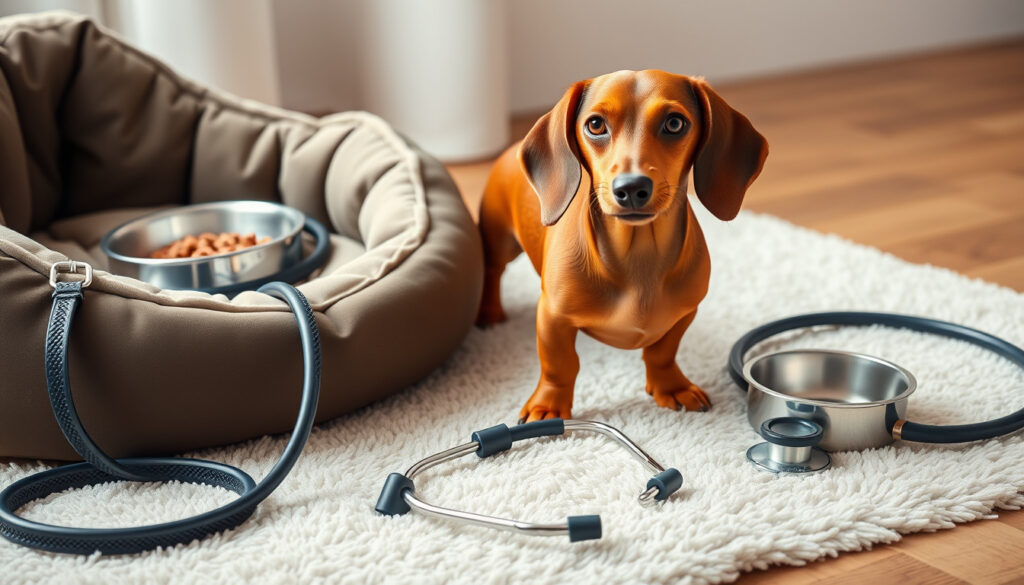
Miniature Dachshund: Care, Training & Health Guide
There’s something about a Miniature Dachshund that stops people mid-stride—long body, short legs, ears that flap like they’re listening to a secret. If you’re considering adding one to your home, you’re not alone. According to the PDSA (UK veterinary charity), these little dogs have a life expectancy of over 12 years, so bringing one home is a long-term commitment. This guide walks through temperament, health risks, diet, training, and where to find a Miniature Dachshund in Ireland—so you can decide if this breed is the right fit.
Average weight: 11 pounds or less ·
Average height: 5–7 inches at the shoulder ·
Coat types: Smooth, wirehaired, longhaired ·
Life expectancy: 12–16 years ·
Temperament: Loyal, friendly, affectionate, bold ·
Hypoallergenic: No
Quick snapshot
- Whether males or females make better pets depends on individual temperament and owner preference.
- Exact lifespan varies widely; 12–16 years is typical but some live longer.
- Effectiveness of training methods (crate vs. positive reinforcement) may vary by dog.
- Puppyhood (0–12 months): socialisation and basic training crucial; housebreaking may be challenging.
- Adult (2–7 years): stable temperament; monitor weight and back health.
- Senior (7+ years): increased risk of IVDD and dental disease.
- Decide between adoption and breeder purchase in Ireland.
- Prepare home environment with ramps and harness.
- Schedule first vet visit and discuss IVDD prevention.
| Label | Value |
|---|---|
| Size | Miniature (11 lbs / 5 kg or less) |
| Coat Types | Smooth, wirehaired, longhaired |
| Life Expectancy | 12–16 years |
| Temperament | Loyal, friendly, bold, curious |
| Exercise | 30–60 minutes per day |
| Grooming | Weekly brushing; more for longhaired |
Are Mini Dachshunds Good Pets?
Temperament and personality
- Miniature Dachshunds are known for being loyal, friendly, and affectionate with their families, according to the American Kennel Club (breed standard authority).
- They have a bold personality that can tip into stubbornness, which makes consistent training important.
- The PDSA (UK veterinary charity) notes that short-coated Dachshunds need only a weekly brush, making grooming low maintenance.
Suitability for families and apartments
- They adapt well to apartment living as long as they get daily walks and supervised play.
- According to Rover (pet care platform), Dachshund puppies are prone to spinal disc disease—even a simple jump can cause injury, so households with small children need to supervise handling.
- The breed can be vocal; early socialisation helps manage barking.
Their long backs make them fragile around young kids who may want to pick them up. A family that teaches gentle handling will fare better.
The implication: Miniature Dachshunds can be excellent family dogs, but the household must be willing to adapt to their physical vulnerabilities. For families with older children or patient adults, the trade-off is a loyal, low-shedding companion.
What Are the Cons of a Mini Dachshund?
Common health issues
- Intervertebral disc disease (IVDD) is the breed’s most serious health concern, as highlighted by the PDSA. Both standard and miniature varieties are affected.
- Obesity is another major risk. Rover advises keeping Dachshunds slim and using ramps for furniture to avoid back strain.
- PDSA recommends DNA testing for progressive retinal atrophy (PRA) before breeding.
Behavioral challenges
- Stubbornness can make training a test of patience. The breed was originally bred to dig and chase badgers—that prey drive persists, so they may chase small animals.
- Housebreaking is often described as difficult. According to Petworks (pet care resource), Mini Dachshund puppies require intensive house-breaking and crate training from day one.
- Separation anxiety can develop if left alone for long periods.
The combination of stubbornness and back vulnerability means that training methods must avoid pulling on the neck—a harness is recommended over a collar, as noted by Rover.
The pattern: Miniature Dachshunds are not a “low effort” breed. Their physical and behavioural quirks demand an owner who is willing to invest time in training and home modifications.
What Not to Feed a Dachshund?
Toxic foods and harmful treats
- Avoid: chocolate, grapes, raisins, onions, garlic, and xylitol (artificial sweetener). These are toxic to all dogs, but Dachshunds’ small size means even small amounts can be dangerous.
- High-fat foods (fatty meats, fried items) can trigger pancreatitis, a painful condition that Dachshunds are prone to.
- Macadamia nuts, avocado, and alcohol are also unsafe.
Diet tips for weight management
- Portion control is critical. The PDSA recommends feeding a measured amount of high-quality dog food and limiting treats.
- Avoid dog food with excessive fillers (corn, soy, by-products) that contribute to weight gain without nutritional benefit.
- Consider two small meals per day rather than one large one to help maintain a healthy weight and reduce bloat risk.
Why this matters: Obesity directly increases pressure on the spine, making IVDD more likely. For Miniature Dachshunds, every extra pound matters.
How to Care for a Miniature Dachshund
Exercise needs
- The PDSA recommends at least 30 minutes of exercise daily, ideally split into two walks with one longer walk for sniffing.
- Avoid high-impact activities: no jumping off furniture, no rough play that twists the back. Use ramps or stairs for sofas and beds.
- Supervised play in a fenced yard is ideal.
Grooming requirements
- Smooth-coated Miniature Dachshunds: weekly brushing with a soft brush or hound glove.
- Longhaired: brush a few times a week to prevent mats.
- Wirehaired: may need professional grooming a few times a year (PDSA).
- Nail trimming every 2–3 weeks, dental care daily or several times a week.
Training and socialization
- Start early. Petworks says Mini Dachshund puppies require housebreaking, chew control, crate training, socialisation, and basic obedience—making the early period time-intensive.
- Positive reinforcement works best; harsh corrections can damage trust.
- Socialise with people and other pets from puppyhood to reduce fear-based barking and reactivity.
A well-trained Miniature Dachshund is a joy, but the training window is short. Owners who commit to consistent routines from day one will have a much easier time.
The pattern: Care involves managing two conflicting needs—adequate exercise versus spinal protection. The solution is low-impact activity and weight control.
Where to Get a Miniature Dachshund in Ireland
Reputable breeders
- Always buy from a Kennel Club registered breeder who health-tests for IVDD, PRA, and other hereditary conditions.
- The Irish Kennel Club (IKC) maintains a list of approved breeders. Expect to pay between €1,000 and €2,000 for a well-bred puppy.
- Visit the premises, ask to see parent dogs, and request health clearances.
Rescue organizations
- Dogs Trust Ireland (largest dog welfare charity in Ireland) occasionally has Dachshunds available for adoption.
- The DSPCA (Dublin Society for Prevention of Cruelty to Animals) also rescues small breeds.
- Adoption fees are typically €150–€250 and include vaccination, microchipping, and neutering.
The trade-off: A breeder puppy offers predictability in temperament and health, while adoption is more affordable and humane. For Irish residents, rescue is increasingly viable as breed-specific surrender rates rise.
Pros and Cons of Owning a Miniature Dachshund
Upsides
- Loyal and affectionate companion
- Small size suits apartments
- Low grooming needs (smooth coat)
- Moderate exercise requirements
- Long lifespan (12–16 years)
Downsides
- High risk of back problems (IVDD)
- Prone to obesity
- Stubborn and can be difficult to train
- Barking and separation anxiety
- Housebreaking challenges
Miniature Dachshund: Breed Specifications
The breed specs reveal a striking imbalance: a long back on short legs, making them uniquely vulnerable.
| Aspect | Specification |
|---|---|
| Weight | 11 lbs (5 kg) or less |
| Height at shoulder | 13–18 cm (5–7 in) |
| Coat varieties | Smooth, wirehaired, longhaired |
| Colours | Black & tan, chocolate & tan, red, dapple, brindle |
| Litter size | 4–8 puppies |
| Recognition | FCI Group 4, UKC Scenthound, AKC Hound |
Steps to Prepare for a Miniature Dachshund
- Puppy-proof your home: Remove items that can be chewed, secure electrical cords, and block access to stairs or high furniture unless ramps are provided.
- Invest in a harness and ramp: A harness protects the neck; a ramp prevents jumping on/off beds and sofas (Rover).
- Set up a confined space: Crate training is recommended by Petworks for housebreaking and safety.
- Schedule a vet visit: Discuss vaccination, microchipping, and a diet plan. Ask about IVDD prevention.
- Buy appropriate food: Choose a high-quality small-breed formula with controlled calories.
- Plan for grooming: Depending on coat type, budget for brushes, deshedding tools, or professional grooming.
What We Know for Sure — and What’s Still Unclear
Confirmed facts
- Miniature Dachshunds are generally good family pets with proper training.
- IVDD is a significant health risk (PDSA).
- Obesity is a common problem that worsens back issues (Rover).
- Regular vet checkups are recommended at least annually.
What remains unclear
- Whether males or females make better pets depends on individual temperament and owner preference.
- Exact lifespan varies widely; 12–16 years is typical but some live longer (PDSA).
- Effectiveness of specific training methods may vary by dog.
Expert Perspectives on the Breed
“Dachshunds are loyal and brave dogs, but their hunting heritage means they can be stubborn. Early training is essential.”
“The breed is prone to back problems, so it’s important to keep them slim and use a harness instead of a collar.”
— Dr. Cruz, veterinarian, quoted by Rover (pet care platform)
“Adopting a Dachshund from a rescue in Ireland gives a dog a second chance. We see many surrendered due to owners underestimating their exercise needs.”
— Dogs Trust Ireland (largest dog welfare charity in Ireland)
Summary: Is a Miniature Dachshund Right for You?
Miniature Dachshunds pack a lot of personality into a small, elongated body. They are loving, loyal, and endlessly entertaining—but they also come with a health risk that cannot be ignored. The key to a happy life with this breed is prevention: weight control, spinal protection, and early training. For prospective owners in Ireland, the choice between breeder and rescue is not just a financial one—it’s a decision about how much time you can invest in a dog that needs attentive, informed care. Owners who commit to these needs will find a fiercely loyal companion waiting at the end of the leash.
Related reading
- Best Flea Tablets for Dogs: Reviews, Dosage & Ireland Prices
- What is a VPN? How It Works, Benefits, Costs and Privacy Risks
blog.ollie.com, bestmatedogtraining.co.nz, facebook.com, maplebrief.org
For a comprehensive overview of costs and health tips specific to the UK, refer to this Miniature Dachshund care guide.
Frequently asked questions
Do Miniature Dachshunds bark a lot?
Yes, they are known to be vocal. They were bred as hunting dogs and use barking to alert. Training and socialisation can help manage excessive barking but will not eliminate the instinct entirely.
How much exercise does a Miniature Dachshund need?
The PDSA recommends at least 30 minutes of exercise daily, split into two walks—one of which should include sniffing time. Avoid high-impact activities.
Are Miniature Dachshunds good with kids?
With proper socialisation and supervision, they can be. However, their fragile backs mean young children must be taught to handle them gently—no picking up by the chest or allowing rough play.
Can Miniature Dachshunds be left alone during the day?
They are prone to separation anxiety. If left alone for more than 4–5 hours regularly, they may develop destructive behaviours. Crate training and a dog walker can help.
What is the best diet for a Miniature Dachshund?
A high-quality, portion-controlled diet with moderate protein and fat levels is best. Avoid fillers and limit treats to 10% of daily calories. Consult your vet for breed-specific recommendations.
How much does a Miniature Dachshund cost from a breeder?
In Ireland, expect to pay €1,000–€2,000 for a puppy from a Kennel Club registered breeder. Prices vary by coat type and colour.
Are Miniature Dachshunds easy to potty train?
They are notoriously difficult to housebreak compared to many other breeds. Consistency, crate training, and patience are essential. Many owners report it can take 6–12 months.
More related posts
 David Mitchell Profile: Mark Corrigan and Peep Show’s Legacy
 Natalie Wood: Death Mystery and Unsolved Questions
 Caleb Landry Jones: Biography, Personal Life, Speech, and Career
 Tori Spelling’s Financial Fall: From Heiress to RV Living
 Cold Hands and Feet: Causes, Fixes & When to Worry
 PSG vs Newcastle United F.C. Stats: Head-to-Head, Results
 Stephen Lawrence: The Full Story of His Murder and Its Legacy
 Regis Prograis: Career, Record & Retirement