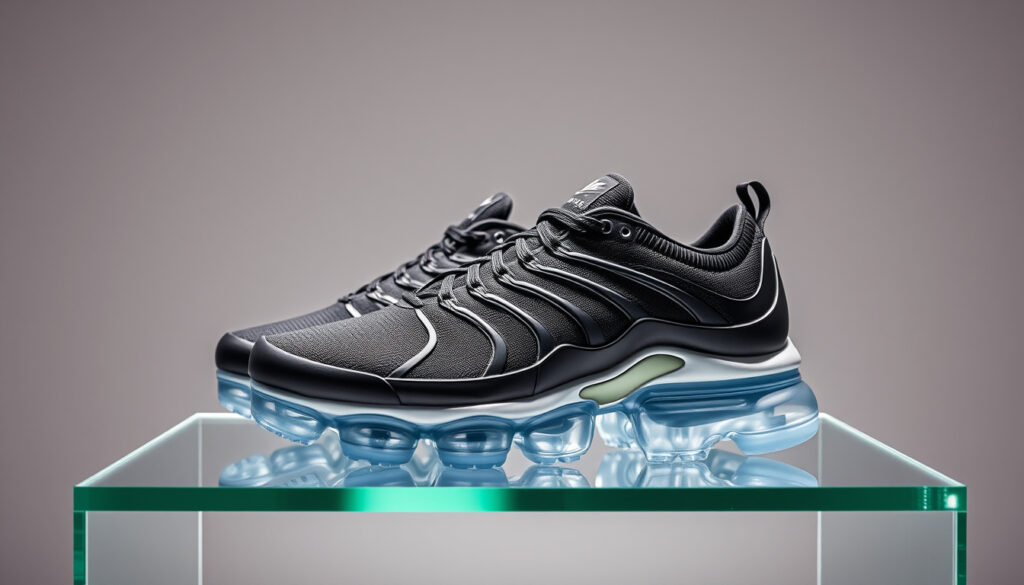
Nike Air VaporMax Plus Review: Is It Worth the Money?
Sneakers often force a trade-off between fashion and comfort. The Nike Air VaporMax Plus flips that assumption by combining the iconic 1998 Air Max Plus silhouette with Nike’s most responsive Air technology to date. Lab tests measured a shock absorption score of 120 and energy return of 60%, numbers that translate to genuinely plush cushioning underfoot. This review breaks down whether the platform holds up for running, walking, or everyday wear.
Cushioning: VaporMax Air technology · Structure: Lightweight · Upper: Stretchy · Design: Floating TPU cage from 1998 Air Max Plus · Outsole: Rubber pods in high-wear areas
Quick snapshot
- Performance thresholds for dedicated running distances
- Diabetic foot certification status
- Continued colorway drops keep platform commercially active
- Ongoing Air innovation investment from Nike
Five technical dimensions separate this platform from typical lifestyle sneakers: technology type, upper construction, outsole design, weight profile, and signature detailing.
These specifications define how the VaporMax Plus performs across real-world wear scenarios.
| Specification | Detail |
|---|---|
| Technology | VaporMax Air units |
| Upper Material | Stretchy with padded overlay |
| Outsole | Rubber pods for traction |
| Weight Profile | Ultra lightweight |
| Signature Element | Floating TPU cage |
| Air Chambers | 5 sealed chambers for independent response |
Is Air VaporMax Plus Worth the Money?
At $220 retail, the question demands hard numbers. RunRepeat’s independent lab testing recorded a shock absorption score of 120 for the VaporMax Plus—one of the highest for lifestyle sneakers tested. Energy return measured 60%, above category average. The shoe weighs just 366g despite packing that much cushioning. Durability, however, earned only 2 out of 5 stars from RunRepeat. The pattern is straightforward: strong performance metrics, modest long-term build quality. “For its innovative design and comfort, it’s worth the price, especially during sales, where prices can drop to $150 or less,” according to a sneaker analyst reviewing the platform.
Pros and value factors
- Lab-validated shock absorption score of 120 SA
- Lightweight at 366g despite full-length Air unit
- 60% energy return beats category average
- Futuristic air pods and 1998 cage design create standout aesthetics
Price comparison points
- Retail sits at $220, placing it in premium lifestyle tier
- Sales often bring prices to $150 or below
- Value proposition strongest when purchased on discount
Buyers prioritizing longevity over cutting-edge aesthetics should factor the 2/5 durability rating into their decision—the platform excels at cushioning and visual appeal, but the rubber pods wear faster under heavy training loads.
What is Special About Nike VaporMax Plus?
Nike fused two distinct design eras to build this platform. The 1998 Air Max Plus provides the visual DNA—the floating TPU cage, the wavy quarter panels, the heel logo. Nike’s VaporMax Air technology provides the functional core, attaching directly to the upper with each outsole lug pressing into the Air unit during the gait cycle. This structural approach differs fundamentally from foam midsoles.
VaporMax technology details
- Five sealed air chambers work independently for targeted response
- Direct attachment to upper creates more connected ride feel
- Lab testing shows shock absorption score of 120 and energy return of 60%
Design heritage
- Floating cage and wavy quarter panels trace directly to 1998 original
- Designer Sean McDowell created the Air Max Plus silhouette that inspired this hybrid
- Reflective upper elements enhance visibility in low-light urban conditions
The VaporMax Plus isn’t a performance running shoe wearing a heritage costume. RunRepeat’s lab testing confirms genuine technical advancement—the shock absorption score and energy return numbers prove the Air technology delivers measurable benefits. The 1998 design elements enhance the aesthetic, not the performance.
Can You Run in Nike VaporMax Plus?
Nike positions the VaporMax Plus as a lifestyle sneaker, not a dedicated running trainer. That said, the platform handles light jogging adequately. The full-length Air unit provides responsive cushioning, and heel traction on wet concrete measured 0.42 friction—comparable to other casual sneakers tested. High-intensity running tells a different story. The platform’s narrow build and relatively low stack height create ankle stability concerns at higher speeds, and RunRepeat’s 2/5 durability rating raises questions about long-term performance under sustained training loads.
Running performance notes
- Shock absorption score of 120 handles urban running surfaces well
- Energy return of 60% provides above-average responsiveness
- 60% energy return supports light jogging efforts
- Not recommended for high-intensity running due to ankle stability concerns
Grip and stability
- Rubber pods in outsole deliver grip on city streets
- Heel traction measured at 0.42 friction on wet concrete
- Narrow build limits lateral stability during faster paces
- Missteps more likely during high-velocity running
Runners seeking a dedicated trainer should look elsewhere—the VaporMax Plus excels at cushioning and street grip, but that narrow build and modest durability rating mean the platform works best for light jogs rather than serious training.
Is VaporMax Good for Walking All Day?
The VaporMax Plus shines as a walking shoe. The full-length Air unit creates what multiple reviewers describe as a cloud-like sensation, and the padded yet lightweight structure enables hours of walking without discomfort. The upper adapts to the foot with a neoprene sock-like fit that works well for extended wear. The main drawback: the narrow toe box. “These things run so narrow I’m not sure how anyone can wear these things for more than an hour or two,” according to a Nike.com product reviewer. Those with wider feet should size up.
All-day comfort factors
- Full-length Air unit delivers pillow-like cushioning
- Lightweight build reduces foot fatigue over extended walks
- Neoprene upper adapts for sock-like fit
- Rubber pods in outsole handle roads and sidewalks adequately
Podiatrist perspectives
- No specific diabetic foot certification applies to this model
- The narrow toe box creates pressure points that warrant consideration
- Heel section provides excellent energy return for walking gait
- Consult a podiatrist for any specific foot health concerns
Upsides
- Cloud-like Air cushioning for extended walks
- Lightweight at 366g reduces foot fatigue
- Reflective upper enhances low-light visibility
- Rubber pods handle urban walking surfaces
Downsides
- Narrow toe box causes discomfort for wider feet
- RunRepeat durability rating of 2/5 raises long-term concerns
- No specific diabetic foot certification
- Squeaky ride noted as minor drawback
What’s the Difference Between VaporMax and VaporMax Plus?
Nike built the standard VaporMax around pure Air cushioning innovation—a minimalist running silhouette centered entirely on the technology. The Plus variant layers the 1998 Air Max Plus design heritage onto that same Air platform, adding the floating TPU cage, the wavy quarter panels, the heel branding. The result: a bulkier, heavier shoe with distinct visual character. Both share Nike’s Air unit system, but the Plus’s five sealed chambers create a firmer, more responsive forefoot than the standard model.
Key feature distinctions
- Plus adds floating cage, wavy quarter panels, and heel logo from 1998
- Standard VaporMax prioritizes Air technology performance above aesthetics
- Plus is heavier and bulkier due to added heritage elements
- Both use full-length Air units, but chamber tuning differs
Design evolutions
- Standard VaporMax: minimalist, performance-focused silhouette
- Plus model: heritage aesthetic layered on modern Air technology
- The five sealed chambers in Plus create firmer forefoot feel
- Colorway drops more frequent on Plus model
“Marrying retro coolness with its newest cushioning tech results in a stylish shoe which is comfortable enough for daily wear.”— Solereview (Sneaker Review Publication)
“You feel like you are walking on a pillow.”— DeonGreen (Nike.com User Reviewer)
“These things run so narrow I’m not sure how anyone can wear these things for more than an hour or two.”— Nike.com User (Product Reviewer)
The VaporMax Plus delivers what it promises: genuine Air cushioning performance wrapped in a heritage aesthetic. RunRepeat’s independent testing validates the performance claims—the shock absorption score and energy return numbers aren’t marketing fluff. Whether the $220 price justifies the trade-offs comes down to priorities. The platform excels at cushioning and style, but the narrow fit limits all-day wear for wider feet.
Related reading: Dr Dennis Gross LED Mask Review
solereview.com, youtube.com, youtube.com, youtube.com, youtube.com, weartesters.com, youtube.com, sneakerfiles.com, nike.com, kicksonfire.com
While its cushioning stands out at 60% energy return, the colors and specs guide details vibrant color options to match any style.
Frequently asked questions
Does Nike make diabetic shoes?
Nike does not label any of its mainstream sneakers as diabetic shoes. Some Nike performance lines incorporate features like pressure-relieving cushioning and stable heel construction that wearers with diabetes sometimes find suitable, but no specific medical certification applies to the VaporMax Plus. Those with foot health concerns should consult a podiatrist before selecting any sneaker.
Do podiatrists recommend Nike?
Podiatrists generally evaluate sneakers based on individual foot characteristics rather than brand loyalty. Factors like adequate width, heel stability, cushioning level, and breathable materials matter most. Nike’s performance lines include options with features that some podiatrists consider favorable, but specific recommendations depend on individual foot structure and gait patterns.
Which is Nike’s most comfortable shoe?
The Nike Air VaporMax Plus ranks among Nike’s most cushioned options, with a shock absorption score of 120 in lab testing and energy return of 60%. The Air Max 90 offers classic comfort with proven durability. The Invincible 3 prioritizes maximum cushioning for impact protection. “Most comfortable” depends on individual priorities—cushioning type, fit preference, and intended use all factor into the assessment.
What is the most comfortable Nike sneaker?
Comfort varies by foot shape and intended use. The Nike Air VaporMax Plus delivers ultra-lightweight cushioning through exposed Air units and adapts to the foot with a neoprene upper. The Nike Invincible 3 provides maximum shock absorption with plush React foam. The Nike Air Max 90 remains a reliable option with proven comfort over decades of wear. Trying shoes in person or consulting a foot specialist helps determine the best fit for individual needs.
Why can’t diabetics soak feet?
Diabetics should avoid soaking feet because prolonged water exposure increases infection risk, softens skin excessively, and can mask pain that would otherwise signal injury. People with diabetes often have reduced sensation in their feet, meaning they may not notice wounds or damage until an infection develops. Thorough drying after washing, without soaking, helps maintain foot health for those managing diabetes.
More related posts
 Isabel Oakeshott: Dubai move, partner Richard Tice, career
 Liam Neeson and Pamela Anderson: Romance Rumors Explained
 Lucy Fallon: Children, Partner & Coronation Street Return in 2025
 Sarah Pidgeon: Biography, Age, Height, Dating, Movies & TV
 Stefanie Martini: Biography, Age, Height, Net Worth, Career
 Door Handle Guide: Types, Locks & Irish Suppliers
 Symptoms of New COVID Variant: What to Know in 2025-2026
 Mussolini Son of the Century – Streaming Guide and Key Facts